When shopping for baby sun protection, choose lightweight, UPF-rated garments that cover the skin without overheating little ones. The top picks below are ideal for parents seeking reliable sun safety, breathable fabrics, and easy daily wear. Best for newborns, toddlers, and everyday outdoor adventures, these pieces prioritize neck-to-face coverage, soft textures, and practical design.
Buyer note: The following selections emphasize full-coverage options (hoodies, sun shirts, rompers) with UPF 50+ where listed. The table summarizes key attributes to help quick comparisons for different ages and activities.
| Product | Age Fit | Coverage | Fabric Notes | Best For |
|---|---|---|---|---|
| UV SKINZ Baby Boys’ Hooded Sunzie UPF 50+ — Seaglass Surf Van | 0-3 Months | Full body with attached hood | Bamboo viscose blend (52% cotton, 43% bamboo viscose, 5% elastane) | Newborns or very small infants needing neck-to-face coverage |
| CXQRR Baby Infant Lightweight and Breathable Sunscreen-Hoodie | 6-24 Months | Hooded sun protection on torso and arms | Breathable, stretch-friendly knit; built-in hood | Active toddlers who need mobility and sun coverage |
| UPF 50+ Sun Protection Bamboo Footed Romper — Stone Blue | 0-12 Months | Full-body coverage including feet | Bamboo viscose; soft and breathable | All-day wear for beach or park days |
| UV SKINZ Baby Boys’ Hooded Sunzie UPF 50+ — Sunset Palm Tree | 3-6 Months | Attached hood and full torso coverage | Bamboo viscose blend | Sun-drenched outings with enhanced neck/ear protection |
| Nozone Baby Blanket, Sun Protective UPF 50+ | Any age (covering baby and stroller time) | Wide sun shield, wearable as a blanket | Rayon from bamboo; lightweight | On-the-go sun protection for car seat, stroller, or crib |
UV SKINZ Hooded Sunzie Seaglass (0-3 Months) — Review

The UV SKINZ Sunzie is designed for newborns needing comprehensive coverage. The attached hood protects the neck, ears, and face, while the fabric mix (52% cotton, 43% bamboo viscose, 5% elastane) offers light, breathable comfort. Best for infants who require snug coverage during peak sun hours. Limitation: color and sizing options are limited beyond early months.
CXQRR Baby Infant Lightweight Sun Hoodie (6-24 Months)

This baby zip-up hoodie provides UV protection with a built-in hood, catering to kids aged 6-24 months. The design emphasizes a comfortable, stretchy fit suitable for active play. Choose this if you want quick-on, quick-off sun protection during outdoor strolls and park visits. Caution: ensure proper fit across body length to avoid jersey pull during movement.
UPF 50+ Bamboo Footed Romper — Stone Blue (0-12M)
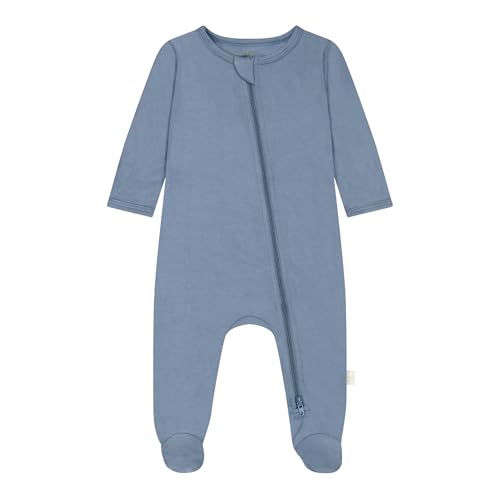
This romper offers all-day sun protection with UPF 50+ coverage and a soft bamboo viscose blend. The footed design helps protect toes and legs, making it ideal for beach days and family outings. Best for infants who benefit from one-piece wear and easier diaper changes. Limitation: some babies may prefer separate socks or legwear for indoor wear.
UV SKINZ Hooded Sunzie Navy Blue (6-12 Months)

Another UV SKINZ hooded option, this Navy Blue version provides reliable UPF 50+ protection with the same bamboo viscose blend. Best for toddlers needing dependable coverage during outdoor activities, such as stroller rides and playground visits. Caution: color may show sun fade with frequent washing.
Buying Guide: How To Choose Baby Sun Protective Clothing
Key factors to consider when selecting sun-protective clothing for babies include UPF rating, fabric composition, coverage, fit, and care. The listed items emphasize UPF 50+ where specified, breathable materials, and easy-on designs for daily use.
- UPF Rating: Look for UPF 50+ to block 98%+ of UVA/UVB rays. Fabrics with woven protection tend to hold up better in sun exposure.
- Fabric and Comfort: Bamboo viscose blends are soft, breathable, and cooler in warm weather. Avoid stiff fabrics that may irritate sensitive skin.
- Coverage: Hooded designs and one-piece rompers maximize skin coverage. Consider long sleeves and full-length legs for the strongest protection.
- Fit and Mobility: Choose stretchy, roomy fits that won’t restrict movement during outdoor play. Check age-based sizing guidance for accuracy.
- Care and Durability: Handled washing and air-drying generally preserve UPF properties. Some fabrics may fade after repeated washes.
Practical Comparison: Which Is Best For Your Situation?
- Best for newborns: UV SKINZ Hooded Sunzie Seaglass (0-3 Months) offers complete neck-to-face coverage with a soft bamboo blend.
- Better for active toddlers: CXQRR Hooded Sun Hoodie provides easy on/off and mobility for ages 6-24 months.
- All-day beach days: Bamboo Footed Romper from Sun Baby Clothing covers the entire body with built-in foot protection.
- Best for stroller or shade time: Nozone Sun Protective Blanket doubles as a portable sun shield for infants on the go.
- Versatile protection: Navy UV SKINZ Sunzie offers a reliable alternative color option with the same protective features.
Frequently Asked Questions
- What does UPF 50+ mean for baby clothing?
It indicates the fabric blocks about 98% of UVA and UVB rays, reducing sun exposure on delicate skin. - Is bamboo fabric better for babies in sun protection clothing?
Bamboo viscose is soft, breathable, and moisture-wicking, which helps keep babies comfortable in hot weather. - Should I buy hooded vs. non-hooded sun protection?
Hooded designs provide extra coverage for the neck and ears, which is beneficial on very sunny days. - How should I care for UPF clothing to maintain protection?
Follow the care label; gentle washing and air-drying typically preserve fabric integrity and UV performance. - Can sun-protective clothing replace sunscreen for babies?
Protective clothing reduces exposure but sunscreen is still recommended for exposed areas like the face and hands, when appropriate for age and local guidelines. - What age ranges are these products suitable for?
The listed items cover newborns through toddlers, often with age-specific sizing and fit guidance on product pages.