Answering the search for safe, comfortable weighted vests for toddlers and young children, this guide highlights kid-friendly options that support sensory processing, focus, and calming deep pressure. Ideal for parents, therapists, and caregivers, these vests are chosen for adjustable weights, breathable materials, and age-appropriate sizing. The top picks below are best for daily use in home, school, car rides, and therapy sessions. A quick buying table follows to compare key details at a glance.
| Product | Size Range | Weight Range | Best For | Notes |
|---|---|---|---|---|
| SENSORY4U Weighted Vest (Small) | 2–4 years | 6 x 0.25–0.5 lb + 2 lb total | Toddlers needing gentle deep pressure | Breathable neoprene; removable weights |
| Harkla Weighted Vest (Small) | 3 sizes in kids range | 2 lb included | Calm and focus during class or car rides | Velcro-adjustable, breathable fabric |
| oboist Compression Vest (Extra Small) | Ages 1–3 | 6 pockets with 4×1/4 lb + 2×1/2 lb | Early sensory integration, snug fit | Durable neoprene, Velcro adjustability |
Weighted Vest For Kids, Adjustable 6 Weights — Small

Best for young toddlers who need gentle proprioceptive input, this small vest fits most children aged 2 to 4. It uses six removable weights (two 0.5 lb and four 0.25 lb) within a compact 13.5 x 12 inch design. Breathable neoprene and mesh panels keep wear comfortable for longer sessions. The vest supports easy weight adjustments to suit a child’s changing needs, making it suitable for home routines, therapy sessions, and classroom use. Best for: toddlers who require light pressure and quick on/off use.
Strengths include a snug yet flexible fit and straightforward weight changes. Caution: measure chest size before ordering to avoid a poor fit, as improper sizing can reduce effectiveness and comfort.
Harkla Weighted Vest for Kids — 2 lb, Small

This vest is designed to help kids relax and improve focus through deep pressure input. It’s adjustable with Velcro closures for a snug fit and includes 2 lb of weight. Suitable for school, therapy, and travel, it can be added to a sensory toolkit for on-the-go calming. Best for: children who benefit from proprioceptive input during academics or car rides. Limitation: available in a few discrete sizes—verify sizing against the sizing guide before purchase.
oboist Compression Vest For Kids — Extra Small
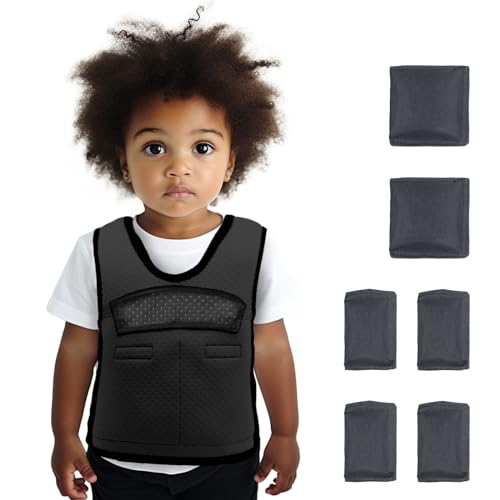
Designed for ages 1 to 3, this vest offers six removable weights (4 x 1/4 lb and 2 x 1/2 lb) in a durable neoprene shell. The front and back weighted pockets let caregivers tailor pressure to suit individual needs, making it a solid pick for early sensory processing, daily wear, and quiet time. Best for: younger toddlers who respond to gentle, adjustable compression. Caution: ensure proper fit with the Velcro closures to maintain effectiveness and avoid slipping during movement.
oboist Compression Vest For Kids — Small

Another compact option from oboist, this small vest mirrors the same six-pocket layout with the same weight mix, offering a secure, breathable fit for ages 2–4. Best for: children who benefit from consistent pressure without bulk. Limitation: similar weight options as the Extra Small; consider whether extra coverage or a larger size is needed as the child grows.
Ted Kangaroo Weighted Vest — Small, Blue

Versatile for home, travel, and classroom use, this small-weight vest emphasizes comfort and mobility. It is designed to wrap softly over shoulders and midsection to allow natural movement while offering manageable deep pressure. Best for: kids who need a calm environment during transitions or long car rides. Caution: confirm sizing for a secure, non-restrictive fit to avoid hindering movement.
Janmercy Weighted Vest (Flowers) — Small

Beautifully designed with flowers, this small vest supports kids ages 4–7 and up. It’s built from breathable neoprene with a detachable weight bag for flexible adjustments. Best for: children who respond positively to visually appealing designs that encourage wearing the vest. Note: size guidance is important; verify chest measurements to ensure a comfortable fit for growing kids.
Buying Guide: Key Considerations For Choosing A Toddler-Grade Weighted Vest
- Size and fit: Toddlers vary dramatically in chest circumference and torso length. Look for adjustable straps, Velcro closures, and clear size charts specific to age ranges.
- Weight range and distribution: Six-pocket designs allow stepwise weight changes. Start with lighter weights and gradually increase as tolerated by the child.
- Materials and comfort: Breathable neoprene and mesh panels help reduce heat buildup and skin irritation during extended wear.
- Intended use: Determine whether the vest will be used mainly at home, in car rides, school settings, or therapy sessions to choose the most practical design.
- Durability and care: Machine-washable fabrics or easy-clean covers are beneficial for active toddlers. Check weight pockets for secure closure to prevent leakage.
- Safety considerations: Avoid overly tight vests that restrict movement or breathing. Ensure weights are securely seated and removable only with adult supervision.
Frequently Asked Questions
- What age is best for a weighted vest?
Most vests are designed for children starting around ages 1–2 for very small sizes, with larger options available up to early school ages. Always follow the manufacturer’s size guidance and consult a professional if you’re unsure about suitability.
- How do you adjust the weight on these vests?
Most vests use removable weights placed in front and back pockets. Weights are added or removed to reach the desired total; ensure pockets close securely after adjustments.
- Can a weighted vest be worn during therapy or class?
Yes, many families use these vests during therapy, sensory integration activities, or classrooms to improve focus and regulation, as long as wear-time is appropriate for the child.
- What materials should I prioritize for comfort?
Breathable neoprene with mesh panels tends to be the most comfortable for extended wear and reduces overheating during movement.
- What are common risks to watch for?
Ill-fitting vests can cause discomfort, restricted movement, or skin irritation. Monitor for signs of distress, and adjust or remove the vest as needed.
- Are weighted vests a substitute for professional therapy?
No. They should complement professional guidance and therapies, not replace them. Consult therapists or pediatricians for personalized recommendations.